
By News Plug Newsroom
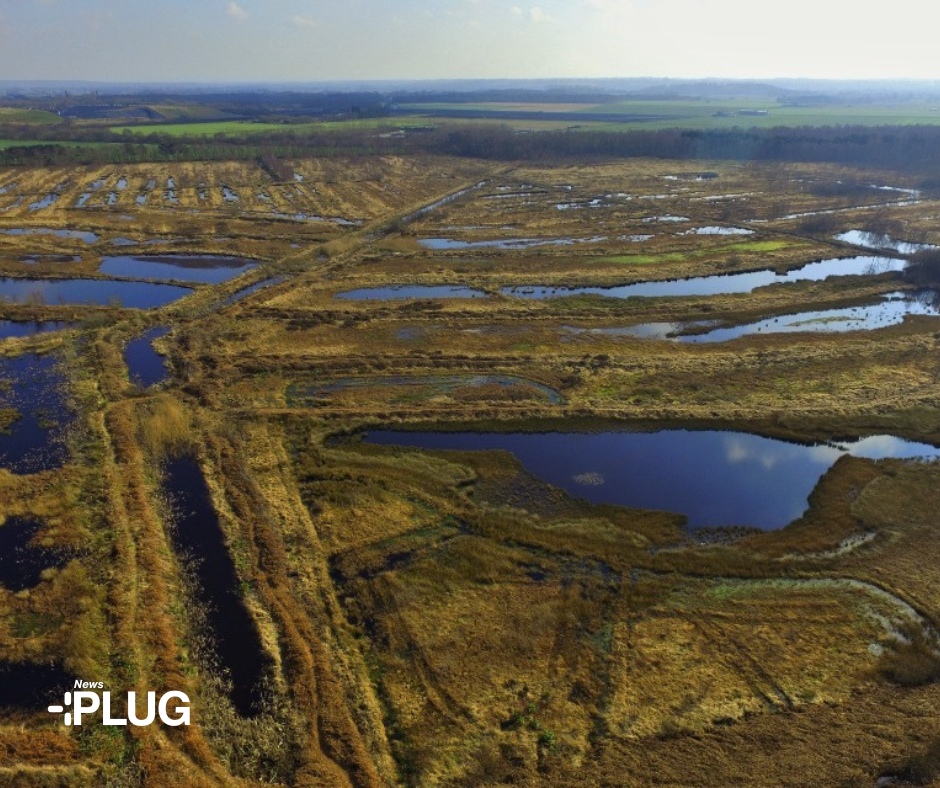
The government has announced a sweeping ban on burning all peat deeper than 30cm in England, effective 30 September 2025. This triples the land under protection, covering over 676,000 hectares of peatlands that are vital for carbon storage, biodiversity, and flood control.
Environmental groups such as the RSPB hailed the decision as a landmark for climate policy, describing peat as one of the country’s most important natural defences against global warming. Scientists say UK peatlands store more carbon than all the country’s forests combined, yet have been heavily degraded by decades of burning, farming, and drainage.
The policy expansion comes after years of campaigning and increasing public concern about flooding linked to degraded moorlands. Ministers framed the move as both a climate action and a practical safeguard for communities vulnerable to extreme rainfall.
Why it matters
This is one of the most significant climate interventions the UK has made in years. Protecting peatlands directly tackles carbon emissions while boosting resilience against floods and wildfires. For rural communities and conservationists, it is seen as a victory for long-term thinking.
The counterpoint
The ban has angered some grouse moor managers and rural landowners who argue that controlled burning prevents wildfires and maintains land for shooting tourism. Farmers have also raised concerns that the rules could add costs at a time when food production margins are already squeezed.
TL;DR
- England bans burning on all peat deeper than 30cm from September 30.
- Total protected land grows from 222,000 to 676,000 hectares.
- Seen as a big win for climate policy and flood prevention.
- Landowners warn it could hit rural businesses and traditions.