By News Plug Culture Desk
When tattoo shops finally reopened after lockdown, artists expected a backlog of appointments. What they got was a cultural explosion. Suddenly, everyone wanted ink — from first-timers to veterans, from delicate micro designs to giant ironic tributes. And the tattoos themselves? They’re getting weirder, bolder, and more unapologetically absurd.
This isn’t just a “tattoos are more popular now” story. It’s a glimpse into how a global pandemic rewired our brains — and our skin.
The Backstory: When Parlours Went Dark
Tattoo shops were hammered by COVID restrictions. Parlours closed for months, artists lost income, and reopenings meant navigating PPE and distancing rules (The Independent). But when restrictions lifted, demand didn’t just bounce back — it surged.
By 2021, magazines were already predicting a “post-pandemic tattoo boom” (GQ), and they weren’t wrong. Artists reported being booked months out (PA Training), with floods of new clients who had spent lockdown plotting their first piece of ink.
The vibe was clear: life is short, screw it — let’s get a tattoo.
Pandemic Souvenirs: Commemorating Chaos
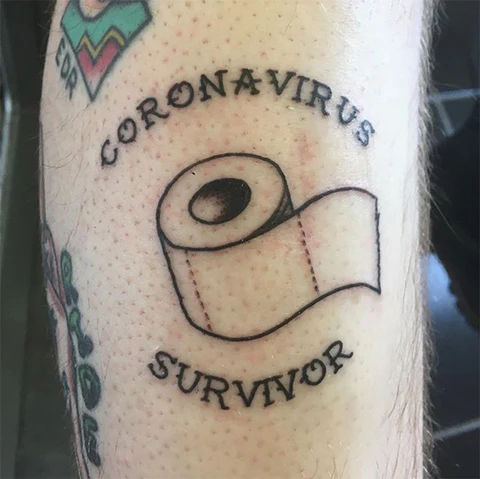
The weirdest part of this boom might be the subject matter. People started permanently marking their bodies with symbols of the very crisis they’d just escaped. Think masks, hand sanitiser bottles, even toilet roll tributes (Bored Panda).
Pet tattoos also spiked. After two years of being locked indoors, cats and dogs weren’t just pets — they were lifelines. Immortalising them in ink became a trend that still hasn’t slowed.
The Micro Tattoo Takeover
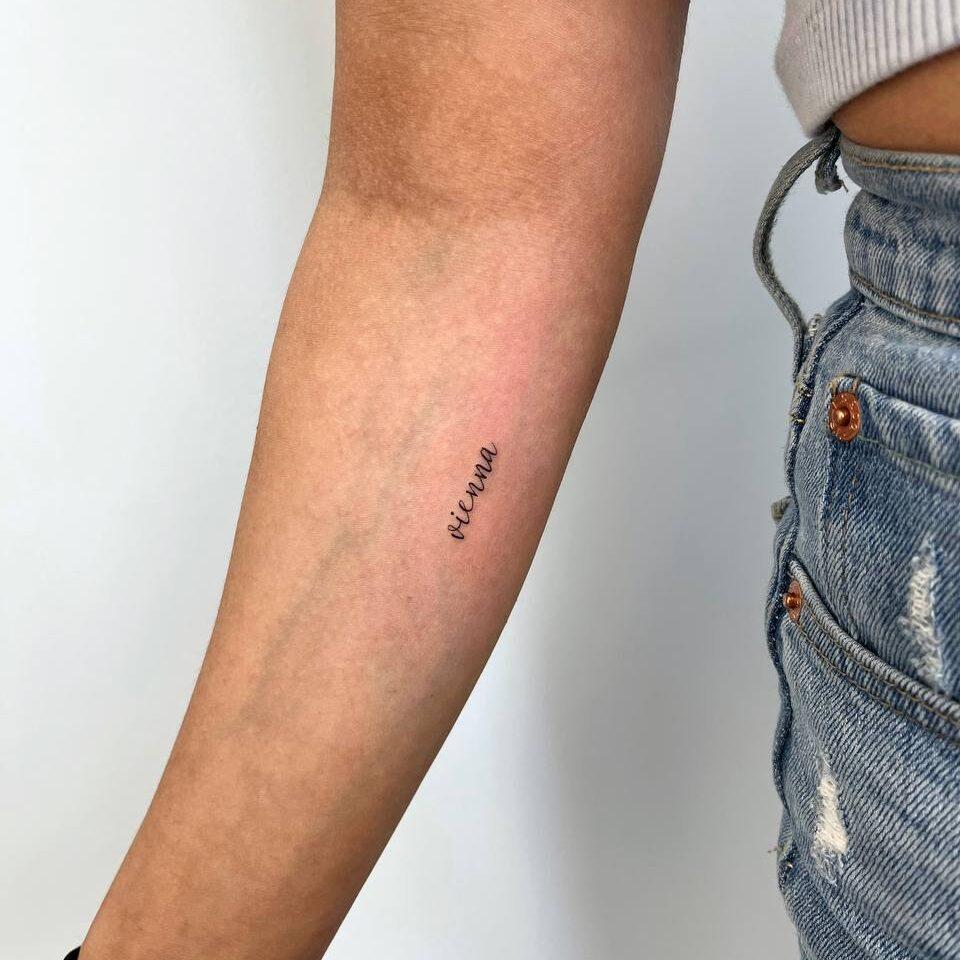
Not everyone came out of lockdown wanting a full sleeve. The biggest growth sector? Micro tattoos: tiny flowers, fine-line script, minimalist symbols.
Studios say fine-line tattoos appeal because they’re cheaper, less painful, and perfect for first-timers dipping their toe into tattoo culture (Wunderlust London). They’re also Instagram-friendly — discreet enough to show off on TikTok, subtle enough to hide from your boss.
Ugly On Purpose: Ignorant-Style and Meme Ink
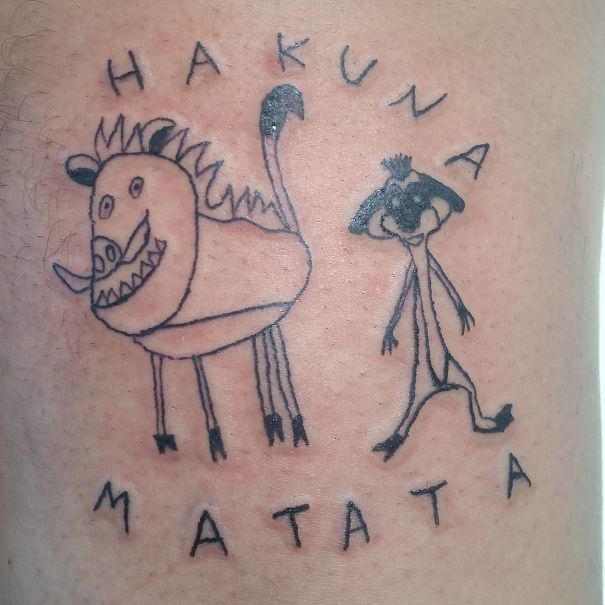
Another weird post-lockdown surge: tattoos that look deliberately bad. Known as ignorant style, these tattoos mimic doodles, stick figures, and childlike sketches. They’re often ironic, funny, or totally nonsensical — like a Garfield smoking a bong or a wobbly heart with “yolo” scrawled in Comic Sans.
“Ugly” tattoos are now part of a bigger meme-driven aesthetic where imperfection is the point (Stories & Ink). They’re inside jokes made permanent, trolling the idea that tattoos have to be sacred works of art.
The Return of the “Tramp Stamp”
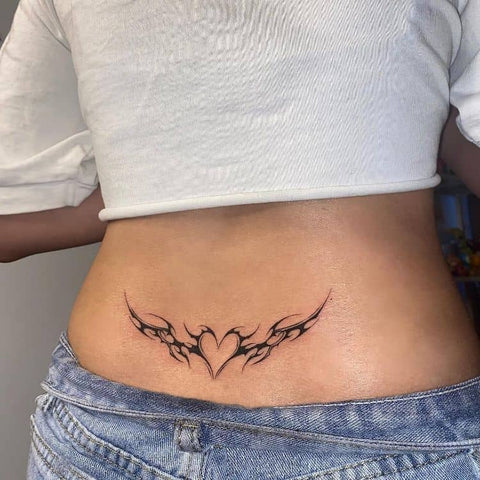
What millennials once mocked as peak 2000s cringe is now back with Gen Z swagger. Lower-back tattoos — aka “tramp stamps” — are trendy again, reclaimed as ironic empowerment.
According to the New York Post, Gen Z are embracing the placement as both nostalgic and rebellious, shrugging off stigma and rebranding it as fun, bold, and proudly trashy (NY Post).
If the pandemic taught people not to care what others think, the tramp stamp revival is exhibit A.
Cybersigilism: The Weirdest New Wave
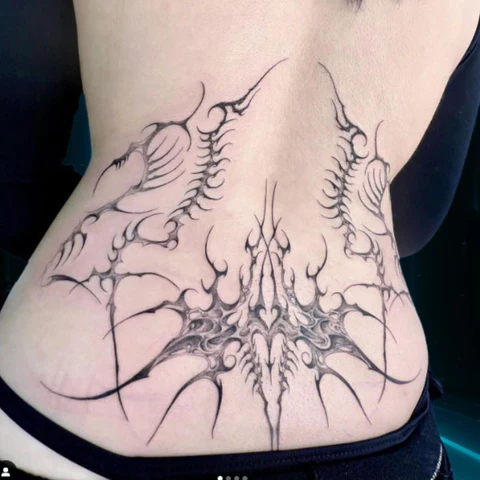
The most out-there tattoo trend to blow up post-lockdown is cybersigilism. Think occult symbols mashed with glitch art, circuit-board designs crossed with gothic sigils. It’s like someone turned rave flyers, coding scripts, and witchcraft into a tattoo style.
Gen Z are ditching the tribal tattoos of the 2000s and inking themselves with techno-mystical patterns that look both futuristic and ancient (NY Post).
It’s part spirituality, part sci-fi dystopia — and totally of its time.
Why This Is Happening
Several overlapping forces explain the weirdness:
- Mortality check: Lockdowns forced people to confront fragility and mortality. Tattoos became a way to mark survival and claim identity.
- Social media aesthetics: TikTok and Instagram pushed niche tattoo trends into the mainstream, making once-fringe styles viral overnight.
- Cultural shift: Tattoos are no longer rebellious. The Guardian called it a “paradigm shift” as tattoos went fully mainstream, with professionals and celebrities alike showing visible ink (The Guardian).
- Economics: Smaller tattoos fit tighter budgets in a cost-of-living crisis.
- Artist availability: With artists booked solid, people often grabbed whatever appointments they could — which sometimes meant saying yes to flash sheets or unconventional designs.
The Risks Nobody Talks About
Booms come with backlash. Some tattooists warn that impulsive, ironic tattoos are leading to regrets faster than ever. Unlicensed artists have also capitalised on demand, offering cheap-but-risky alternatives that can compromise safety and hygiene (The Sun).
There are also cultural appropriation debates, as people lift mystical or tribal symbols with little understanding. Plus the permanence problem: what feels like a hilarious in-joke now might look less funny in 2035.
Where Tattoos Go Next
If this post-lockdown boom is the new baseline, expect:
- Tattoo tourism — travelling for ink from a specific artist or city.
- Crossovers with fashion/music — designers and musicians collaborating with tattoo culture.
- Digital-to-skin pipelines — AI-generated tattoo designs going mainstream.
- Workplace normalisation — visible tattoos fully accepted in professional settings.
The only safe prediction? Tattoos will keep getting stranger — because people keep getting stranger.
TL;DR
- Lockdowns triggered a massive tattoo boom once studios reopened.
- Weird new trends: COVID tribute tattoos, micro designs, ignorant-style doodles, tramp stamp revival, and cybersigilism.
- Driven by mortality, social media, shifting cultural norms, and economics.
- Risks include regret, dodgy artists, and cultural appropriation.
- The boom shows no signs of slowing — tattoos have gone from rebellion to therapy to meme.