By NewsPlug World Desk
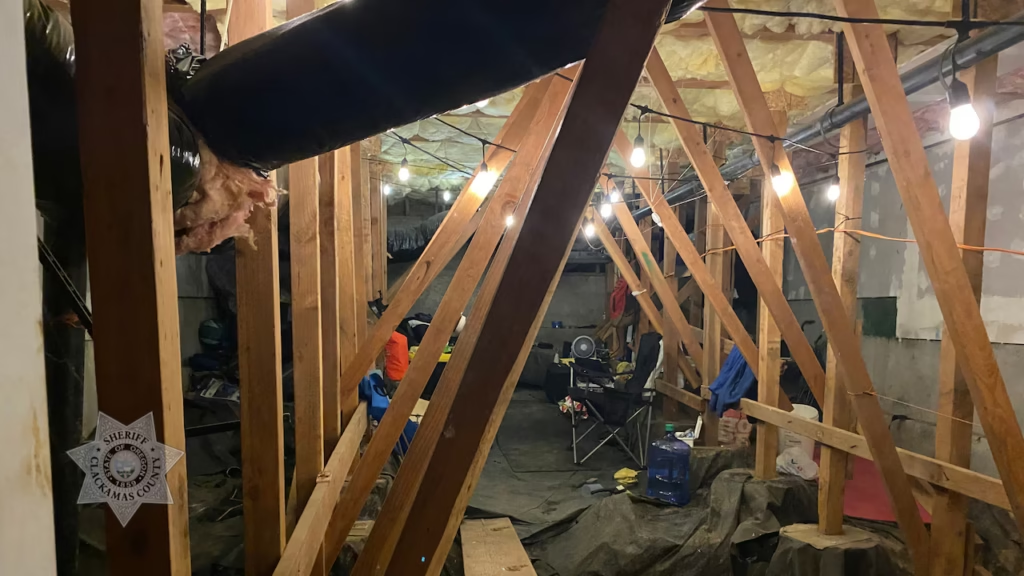
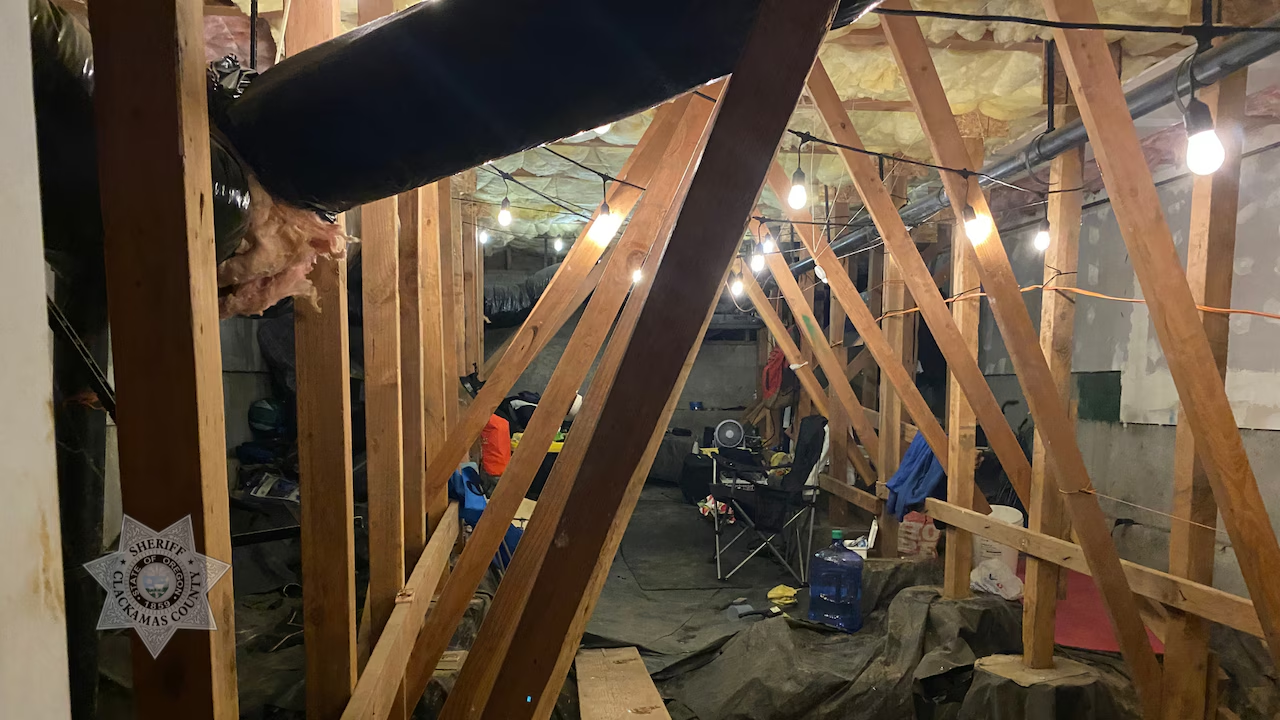
An Oregon man has been caught turning a crawlspace under a suburban condo into a secret underground hangout, complete with TVs, Xbox controllers, fairy lights, and stolen electricity. Forget tiny homes – this was tiny home invasion.
Deputies in Happy Valley said they were called on 3 September 2025 after residents complained about strange noises and suspicious activity near the building. When officers popped open the crawlspace hatch, they didn’t find rats or broken pipes – they found a 40-year-old man who had basically built himself a micro-apartment below ground level.
The setup had two TVs, gaming gear, and makeshift décor that looked like a stoner dorm room on a budget. But the vibe collapsed when police found a pipe with meth residue. The man, identified as Beniamin Bucur, was arrested on charges of first-degree burglary and unlawful possession of meth. His bail: $75,000.
Why It Matters
This isn’t just a “Florida Man” meme gone West Coast. Housing costs are brutal in Oregon, and the state has one of the highest homelessness rates in America. For some, survival looks like tents under highways. For Bucur, it was a crawlspace AirBnB nobody asked for.
On TikTok, reactions swung between horror and admiration. One user wrote, “Minus the meth, this is actually genius.” Another calculated the rent savings: “That would be $1,200 a month in Portland. Man cracked the code.”
The Counterpoint
Yeah, it’s easy to laugh at the absurdity – but this is also a bleak sign of how broken the system is. The hustle is real, but so is the risk. The crawlspace was never safe, the stolen electricity could have started a fire, and meth isn’t exactly a quirky life hack. It’s a cocktail of desperation, addiction, and criminal charges.
TL;DR
- Oregon man found living in condo crawlspace tricked out with TVs and an Xbox.
- Busted after neighbors heard noises and called police.
- Charged with burglary and meth possession, bail at $75k.
- Social media split between calling him resourceful and reckless.
- Weird story, but also a mirror of America’s housing crisis.