
By News Plug Economics Desk
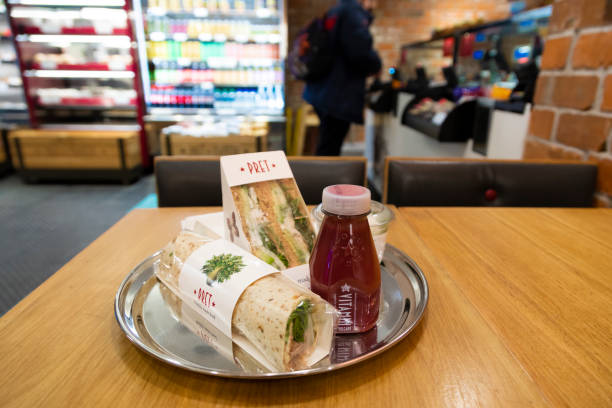
Pret A Manger is officially stepping into the arena of supermarket lunch wars. The sandwich and coffee chain is trialling meal deals across the UK in Q4 2025, offering classic bundles like a croissant plus drink or a sandwich, crisps, and drink combo. This move is aimed squarely at reclaiming lunchtime traffic amid soaring competition and cost pressures.
Despite feeling the squeeze – last year’s books show a staggering £525m+ pre-tax loss, triggered by a £553m goodwill write-down – Pret’s operational profits actually rose 36% to around £98m, and total revenues climbed 10% to £1.2bn.
The trial isn’t random. Pret is testing meal deals at different price points—likely around £4 to £5 for breakfast options, and £5.50 to £6.50 for lunch bundles—to identify what clicks with a value-crunched customer base
Why This Matters
Supermarkets own the meal deal market by default. But Pret can flex its strengths—freshly made food, city-centre presence, speed, and strong branding—to carve out real ground. In-flight hubs and office zones might just turn into Pret battlegrounds.
At a time when inflation has pushed Tesco’s standard deal above £3.85 and Sainsbury’s just nudged theirs to £3.95, Pret is testing whether customers will pay more for better quality—or just familiar packaging.
The Counterpoint
It’s one thing to roll out trial specials. It’s another to make them stick, especially when millions tighten budgets as the cost-of-living crisis continues. Critics say Pret may struggle to sustain these deals consistently if operational costs continue mounting and people retreat to cheaper supermarket options.
Furthermore, this gamble doesn’t guarantee gains in loyalty—meal deals once built on affordability might not be enough when consumers demand both value and comfort.
TL;DR
- Pret A Manger is testing UK meal deals – croissant & drink, plus sandwich + snack + drink combos.
- Trial pricing aims between £4–£6.50 depending on time of day.
- Despite a massive write-down last year, Pret’s operations turned a healthy profit and revenues rose.
- Strategy is to lure commuters and city workers back, but value-sensitive customers may still choose supermarkets.
From a retail strategy standpoint, Pret’s move is smart and necessary. They’re trying to merge convenience with premium vibes. But if broader spending pressures don’t ease, this may just be a short-lived flash in the tray—but still one worth watching. If these deals hit the sweet spot on value and freshness, Pret might just rewrite the lunchtime default. If not, it could look like a desperate flashback to pre-inflation glory days.