
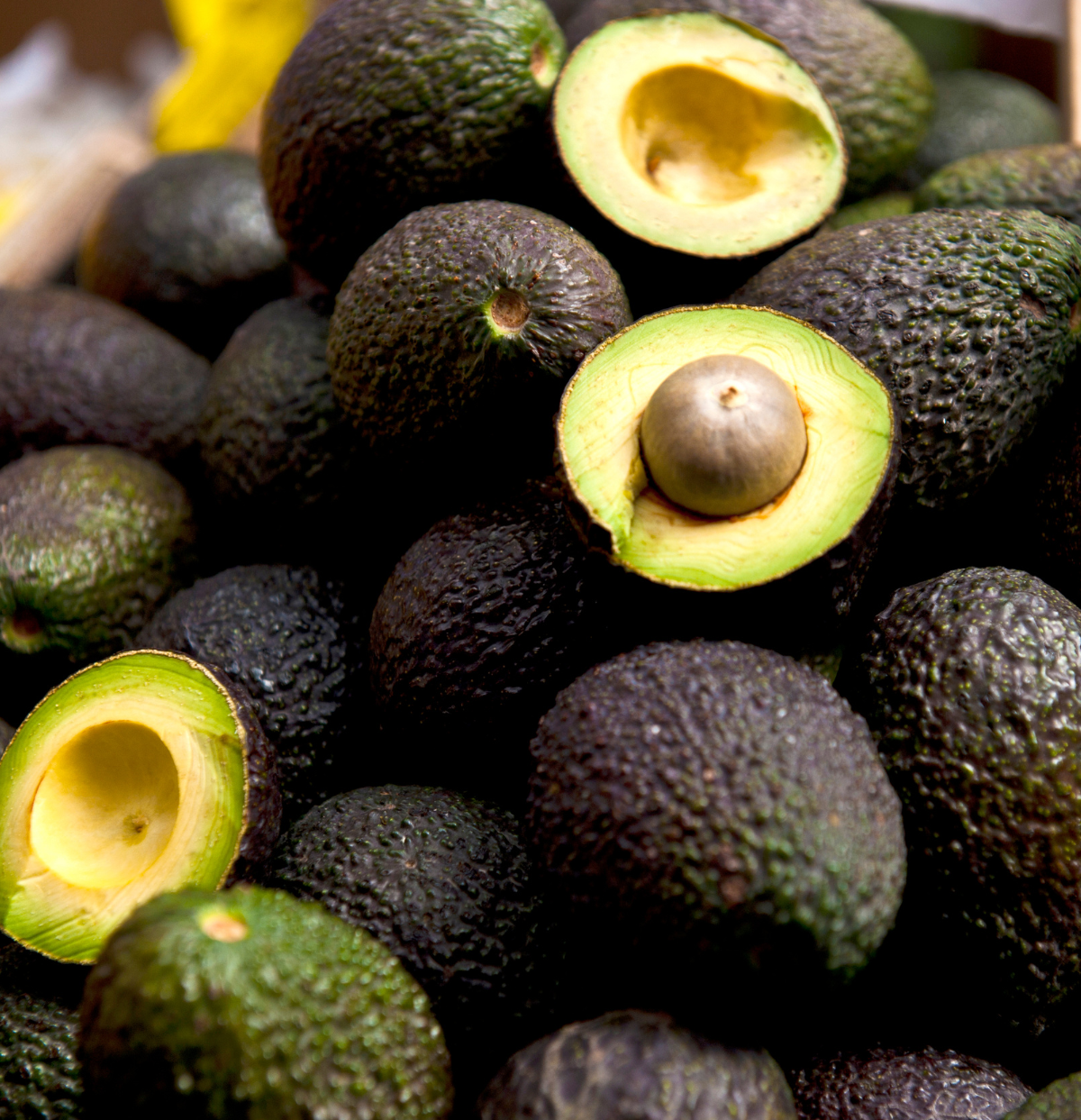
Tesco is rolling out a trial of a new avocado ripeness scanner across five of its UK stores, in partnership with Dutch food-tech company OneThird and supplier Westfalia Fruit. The goal: to help shoppers pick perfectly ripe avocados and bring down food waste.
What the Trial Involves
- The scanner will be tested in five Tesco locations: Cheshunt Extra (Hertfordshire), Colchester Superstore (Essex), Stratford-upon-Avon Superstore (Warwickshire), Wokingham Superstore (Berkshire), and Salisbury Extra (Wiltshire).
- Known as the OneThird Avocado Scanner, the device uses infrared/spectroscopy technology to assess the internal ripeness of avocados non-destructively. It tells the shopper whether the avocado is ready to smash (for toast etc.) or better suited for slicing later.
- Using this tool avoids squeezing fruit to test ripeness — which can damage avocados on display. It aims to help shoppers plan their usage and avoid waste, both at home and in store.
Who’s Involved
- OneThird, the tech developer, is responsible for the scanner’s design and ripeness-analysis algorithm/database. They match avocado internal metrics (via infrared readings) against a ripeness fingerprint library.
- Westfalia Fruit, based in Spalding, Lincolnshire, is Tesco’s supplier partner on the project. They have also collaborated with Tesco on sustainability moves like lasered barcodes instead of plastic stickers and switching packaging materials.
- Lisa Lawrence, Tesco’s avocado buyer, stated that this initiative will help customers manage the shelf life of avocados more reliably and reduce waste by selecting fruit with the right level of ripeness.
Expected Benefits & Challenges
Benefits:
- Reduced food waste: fewer overripe or damaged avocados thrown away.
- Better shopper experience: fewer disappointments from buying avocados that are too mushy or too hard.
- Sustainability gains: fewer impressions of squeezing leads to less damage on shelves, and combined with packaging improvements, could contribute to Tesco’s and Westfalia’s environmental goals.
Challenges:
- Adoption: Some shoppers may distrust or misunderstand the tech, preferring traditional ripeness tests.
- Scaling: The trial is limited to five stores; broader rollout will depend on performance, cost, and training staff.
- Maintenance & accuracy: Infrared/spectroscopy tools need calibration and data-maintenance to reliably assess ripeness across varieties and growing conditions.
Conclusion
Tesco’s avocado scanner trial is a clear example of tech being used to solve everyday issues — in this case, waste and fruit quality. If successful, it could become a standard fixture in supermarkets, especially for fragile produce.
The implementation stability (cost, accuracy, and shopper acceptance) will determine if this moves beyond early adopters. For now, it’s a step forward — a way to help people make better choices and reduce waste, one avocado at a time.
Source
- Tesco PLC press release: Ground-breaking avocado ripeness scanner to be trialled by Tesco (4 September 2025) Tesco PLC
- NewFood Magazine, “Tesco trials infrared avocado ripeness scanner to cut food waste” (4 September 2025) New Food Magazine
- OneThird, “Avocado scanner trial at Tesco, UK” news post onethird.io